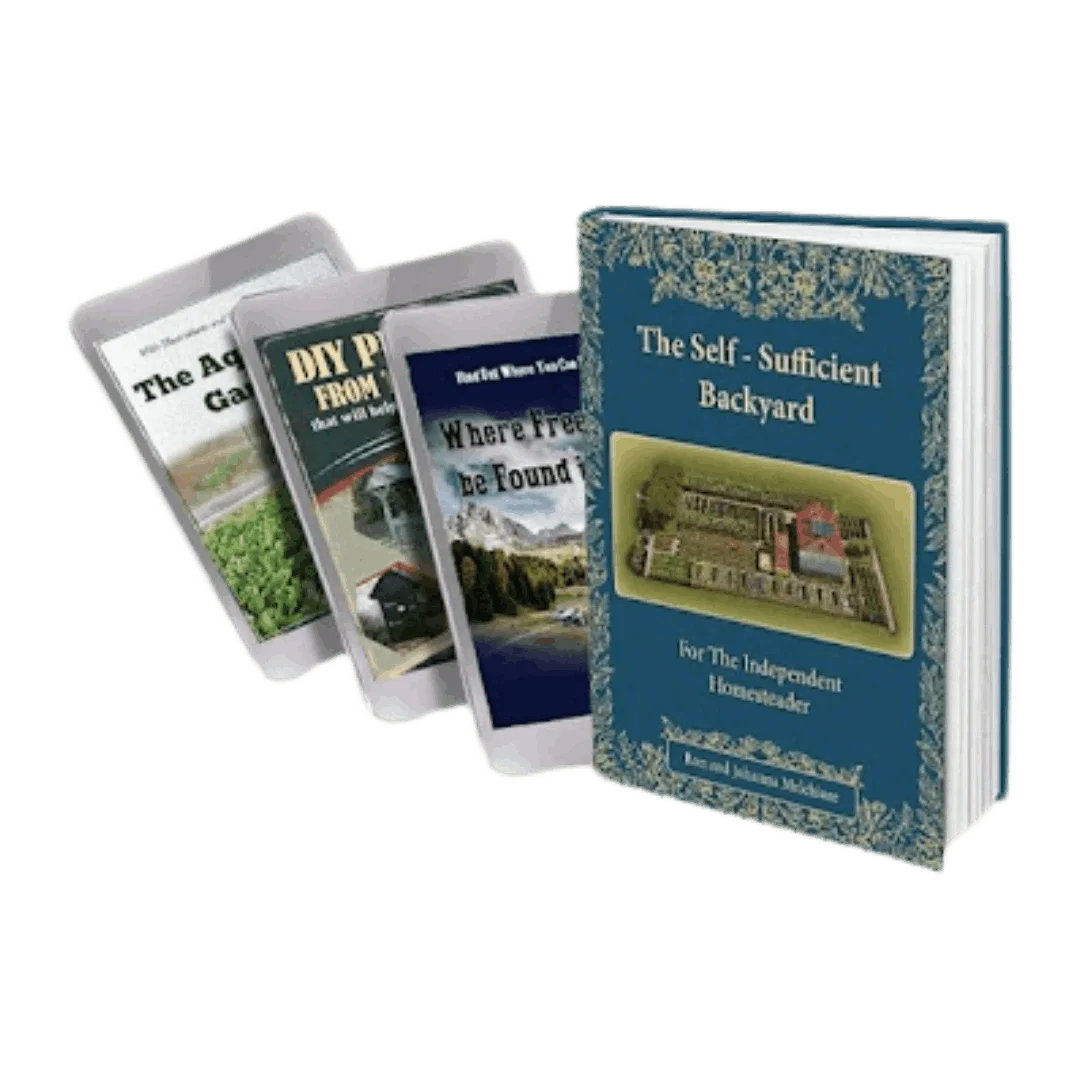
Self-Sufficient Backyard™—The Backyard System for Off-Grid Living

Self-Sufficient Backyard

The Self-Sufficient Backyard is designed for people who want greater control over their food, resources, and everyday needs without depending entirely on grocery stores or external systems. As interest in sustainable living and home food production continues to rise, many households are searching for practical ways to become more self-reliant using the space they already have.

Rather than focusing on theory, The Self-Sufficient Backyard emphasizes realistic, space-efficient methods that help transform an ordinary yard into a productive, self-reliant environment. The approach is built around manageable systems for growing food, managing water, and supporting long-term sustainability, making it suitable for both beginners and experienced gardeners.

At its core, The Self-Sufficient Backyard addresses common challenges such as rising food costs, concerns about food security, and limited land availability. By focusing on adaptable layouts and proven techniques, it provides a clear starting point for anyone interested in building a more resilient, self-sufficient lifestyle at home.


Why Choose Self-Sufficient Backyard ?

The Self-Sufficient Backyard stands out because of its clear, well-structured format and depth of information. With over 260 pages in an easy-to-read layout, the content is presented in a way that feels accessible rather than overwhelming. The large format and readable font make it comfortable to follow, even for readers who prefer practical guides over dense technical manuals.

Another strong point is the extensive use of step-by-step color images throughout the material. Each project is visually explained, making it easier to understand how different systems are built and maintained. This visual guidance reinforces the feeling that the methods come from real-world experience, not just theory.

The overall structure reflects a practical mindset. A quick look at the table of contents shows a clear progression from foundational concepts to hands-on applications. This makes it easy to navigate, reference specific sections, and gradually build a self-sufficient backyard without guessing what to do next.

While the focus remains on precise, actionable methods, the material also includes brief background insights into how the system was developed. These sections add context without distracting from the main goal of helping readers create a functional, self-reliant setup at home.

At its core, the Self-Sufficient Backyard provides a flexible blueprint rather than a rigid formula. The layout plans and systems can be adapted based on available space, time, physical ability, and personal goals, making it suitable for a wide range of households looking to move toward a more independent and sustainable lifestyle.

Self-Sufficient Backyard Customer Reviews

Self-Sufficient Backyard Customer Reviews
Wess C. - Utah, USA
“Surprisingly Practical and Easy to Follow”
⭐⭐⭐⭐⭐ Verified Purchase

"I expected this to be complicated, but everything is broken down in a very simple way. I started with a small garden and rainwater setup, and it actually worked. This feels more like a real-life system than theory. Highly recommended for beginners".

Self-Sufficient Backyard Customer Reviews
Cecelia R. - New York, USA
“Perfect for Small Backyards”
⭐⭐⭐⭐⭐ Verified Purchase

"What I loved most is that you don’t need acres of land. I only have limited space, and the methods still apply. The layouts, food planning, and energy tips helped me reduce grocery and utility costs within months".

Self-Sufficient Backyard Customer Reviews
Dorothy A. - Texas, USA
“Worth Every Dollar”
⭐⭐⭐⭐⭐ Verified Purchase

“This program completely changed how I think about food and independence. The step-by-step approach makes it easy to take action without feeling overwhelmed. It’s clear a lot of real-world experience went into creating this.”

What is Self-Sufficient Backyard?

Self-Sufficient Backyard

The Self-Sufficient Backyard is a detailed, practical program developed by Ron and Johanna, drawing on more than four decades of off-grid living experience. It explains how to turn an ordinary home or property into a self-reliant setup that supports food production, water management, and basic energy needs. The focus is on realistic systems that work on both small backyards and larger plots, without depending entirely on external utilities.

The program walks through how year-round food production can be achieved using a relatively small portion of land, with clear explanations on how a simple layout can be transformed into a functional, productive space. Step by step, it shows how planning on paper becomes a working system in real life, helping households move toward greater food security and long-term sustainability.


Self-Sufficient Backyard

A wide range of essential homesteading areas are covered in depth, including off-grid power, natural remedies, raising chickens, beekeeping, composting, seed saving, food preservation, and building structures such as root cellars, smokehouses, and self-sustaining greenhouses. Each topic is explained thoroughly to remove guesswork, making the information useful for beginners while still offering clarity and efficiency for those with prior experience.

Overall, the Self-Sufficient Backyard serves as a flexible blueprint rather than a rigid plan. It supports people who want to become fully independent as well as those who simply want to add practical self-sufficiency projects to their property. By focusing on adaptable systems and proven methods, it helps turn the idea of self-reliant living into an achievable, practical goal.

How Does Self-Sufficient Backyard Work?

The Self-Sufficient Backyard follows a clear, step-by-step structure that shows how to turn an ordinary home or piece of land into a self-reliant setup. The guidance is organized so each system builds on the previous one, making the process manageable regardless of property size or prior experience. This structured approach helps remove confusion and allows progress at a comfortable pace.

A major focus of the system is food independence. It explains how to grow enough food for long-term needs using a surprisingly small amount of space—around 1,020 square feet per person. The growing methods are adaptable, making them suitable for compact backyards as well as larger properties, while emphasizing efficiency and year-round production.

Water and energy systems are also addressed in a practical way. The program outlines how to set up simple, low-cost water collection and storage systems to reduce reliance on irrigation or municipal water. It also explains how hybrid off-grid power systems can provide reliable electricity without the complexity or expense of fully disconnecting from the grid.

Health and garden resilience are covered through natural solutions. Instructions are included for creating a medicinal garden using essential plants, along with guidance on turning those plants into basic remedies. The system also introduces bio insect control methods that rely on natural predators, helping protect crops without chemical pesticides.

Preserving what you grow is another key part of the process. The program shares traditional, electricity-free techniques for storing fruits, vegetables, meats, and eggs, allowing harvests to last longer and reducing waste. These methods support year-round food availability and greater household resilience.

Finally, the system goes beyond basic self-sufficiency by exploring ways to generate income and build useful structures. It includes guidance on growing high-demand crops, along with dozens of DIY backyard projects such as raised beds, chicken coops, hoop tunnels, and beehives. Additional resources expand on alternative growing systems and practical land-use ideas, making the overall approach flexible and sustainable over the long term.

Common Mistakes to Avoid When Starting Out

Many beginners struggle because they overestimate how much land, money, or labor is required. In reality, efficiency matters more than size. Poor crop selection, overplanting, and ignoring seasonal planning often lead to frustration and wasted resources.

Another common issue is relying too heavily on external inputs such as store-bought fertilizers or equipment. Self-sufficient backyard systems work best when they are designed to reuse resources already available on the property, such as compostable waste, rainwater, and natural sunlight.

Who Created Self-Sufficient Backyard?

Ron and Johanna

Ron and Johanna are part of the “back to the land” movement that emerged in the late 1970s. For more than 40 years, they have lived completely off the grid, building a lifestyle centered on self-reliance rather than external systems. During that time, their home has never been connected to an electric line, yet they have consistently generated the power they need and grown their own food in a small backyard space.

Over the years, they developed practical systems for food production, preservation, and natural health. Everything grown on their property is preserved using traditional methods, ensuring year-round food availability without relying on modern infrastructure. A small medicinal garden has also played an important role in supporting everyday health, following principles similar to those used by earlier generations.

More than anything, their experience highlights the value of independence. Living without dependence on grocery chains, utility companies, or centralized systems created a sense of stability and control over daily life. As they reached their 60s, they chose to simplify further by downsizing and refining their systems, focusing on a low-maintenance, self-sustaining homestead. The result is a practical model of self-sufficient living that prioritizes efficiency, sustainability, and long-term ease rather than constant labor or high costs.


Science Behind Self-Sufficient Backyard

The Self-Sufficient Backyard is grounded in permaculture and biodiversity principles, which are based on designing food systems that function like natural ecosystems. By combining a wide range of plants, beneficial insects, and animals, these systems improve soil quality, reduce pest pressure, and create a balanced environment where each element supports the others. This ecological approach increases long-term productivity while minimizing the need for chemical inputs.

Water management plays a critical role in the system. Rainwater harvesting techniques are used to capture water from roofs and other surfaces, which is then stored and filtered for everyday use. This method conserves resources, reduces dependence on external water supplies, and provides a reliable source of water even during dry periods.

Energy independence is achieved through renewable power systems that use solar and wind energy. Solar panels convert sunlight into electricity, while wind turbines supplement energy production when conditions allow. Together, these systems form a hybrid setup that provides consistent power while reducing reliance on the electrical grid.

Natural health is supported through the use of medicinal plants and herbal remedies. Many herbs contain bioactive compounds such as alkaloids, flavonoids, and essential oils that have well-documented therapeutic properties. Growing and preparing these plants at home allows for basic, natural health support without constant dependence on commercial pharmaceuticals.

Soil health is maintained through composting and organic matter recycling. Composting relies on natural microbial activity to break down food scraps and plant material into nutrient-rich soil. This process improves soil structure, increases fertility, and supports healthy plant growth over time.

Pest management is handled through biodiversity-based insect control. By encouraging natural predators such as birds and bats, insect populations are kept in balance without chemical pesticides. This predator–prey relationship protects crops while maintaining a healthy ecosystem.

Additional systems focus on efficiency and year-round production. Techniques such as passive greenhouse heating using the earth’s stable underground temperature, aquaponics closed-loop systems, high-yield microgreen production, and energy-efficient design strategies help maximize output while minimizing waste, labor, and energy use.

Three extra digital bonuses today (for FREE)

Self-Sufficient Backyard - Bonus

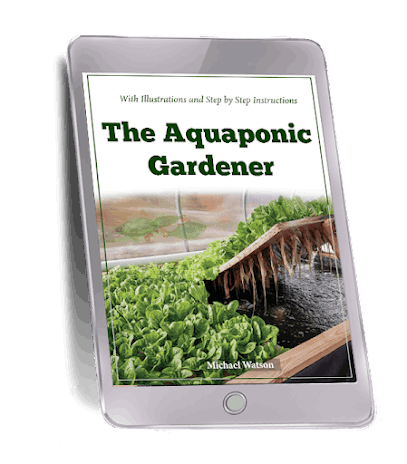
Bonus #1 : The Aquaponic Gardener

In it you’ll discover how to set up an aquaponic system that you can fit in your backyard, in your basement or in your Greenhouse.

The awesome thing about an aquaponic garden is that every part of the system produces food for another.

The water you use for plants absorbs nutrients from the soil and feeds the fish. The fish droppings then feed good bacteria, which turn ammonia into nitrates that the plants need to grow.

The growth rates are astonishing. And you can always have both juicy vegetables and fresh fish a plenty.  

Self-Sufficient Backyard- Bonus

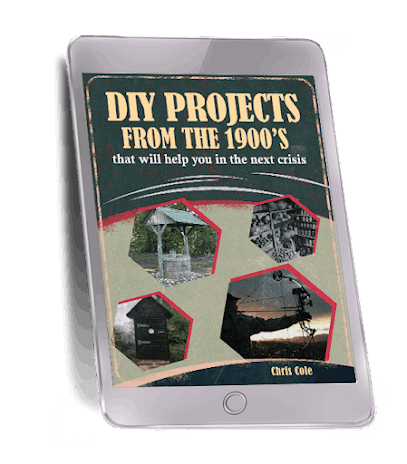
Bonus #2: DIY Projects from the 1900s

Earlier generations relied heavily on practical skills to remain self-sufficient, and many of those methods are still relevant today. Long before modern utilities were common, households built their own systems for water purification, food preservation, heating, and shelter. These skills formed the foundation of everyday life and allowed families to live independently using locally available materials.

Traditional projects included making charcoal for water filtration, building smokehouses and root cellars for food storage, constructing fireboxes and wood stoves for heating, and creating simple solar water heaters. Other essential skills involved small-scale structures such as barns and tanneries, as well as natural plant-based remedies and tools for sourcing food. Each project served a clear purpose and contributed to long-term resilience.

This bonus draws on those time-tested techniques while adapting them to modern needs. Older methods are combined with newer, more efficient approaches where appropriate, creating a balanced system that respects traditional knowledge without ignoring practical advancements. Preserving these skills ensures they remain available when modern systems fail or are unavailable, making them a valuable part of any self-sufficient backyard.

Self-Sufficient Backyard

Bonus #3: Where FREE Land can Still be found in the US

In early American history, families who settled the frontier were often granted land with a simple requirement: live on it and turn it into a working homestead. This approach helped people build independent lives by using the land to grow food, raise animals, and support their households without outside dependence.

Today, the lack of property can feel like a major barrier to starting a self-sufficient or off-grid lifestyle. However, opportunities still exist for acquiring land through modern programs and incentives that encourage development in certain regions. These options make it possible to begin building a homestead without the high upfront cost usually associated with buying property.

This concept is explored by outlining where and how people can still find available land in the present day. Many of these plots range from one to five acres, which is more than sufficient when paired with an efficient, well-planned self-sufficient backyard system. With the right approach, even a relatively small parcel can support food production, resource management, and long-term independence.

What's inside Self-Sufficient Backyard?

Discover what’s inside The Self-Sufficient Backyard: step-by-step guides, DIY projects, off-grid power, water systems, gardening tips, and natural remedies—everything you need to build a productive, sustainable, and independent backyard.

  1. Step-by-step guide: Detailed instructions for transforming your backyard into a productive, self-sustaining homestead. Covers food production, water management, energy systems, and food preservation.
  2. DIY Projects: Over 75 hands-on projects, including chicken coops, raised beds, compost systems, root cellars, and self-sustaining greenhouses. Each project is designed for efficiency and long-term sustainability.
  3. Off-grid power systems: Guidance on setting up hybrid solar and wind electricity systems to reduce reliance on the grid and ensure reliable energy at home.
  4. Water collection & filtration: Instructions for building simple, low-cost rainwater collection and filtration systems for drinking, irrigation, and household use.
  5. Greenhouse & gardening strategies: Techniques for year-round gardening, including maximizing yield, retaining heat, and reducing labor in small or large backyards.
  6. Medicinal garden guidance: How to grow seven essential medicinal plants, care for them, and prepare basic tinctures and remedies for natural healthcare.
  7. Bio-insect control system: Methods to attract beneficial insects and animals, such as bats and bluebirds, to naturally reduce pests and protect crops without chemicals.
  8. Money-saving strategies: Over 100 practical tips to reduce expenses on food, water, utilities, tools, and heating while increasing backyard self-sufficiency.

Start Your Self Sufficient Journey Today – Grab Your Program Now!

Self-Sufficient Backyard+Special+Price

Benefits of Self-Sufficient Backyard

  1. Beginner-Friendly System – Step-by-step guidance makes self-sufficiency achievable, even for those with no prior experience in gardening or off-grid living.
  2. Maximizes Small Spaces – Learn how to grow food, manage water, and generate power efficiently, even on limited land like a quarter-acre backyard.
  3. Food Independence – Grow your own fresh, organic produce year-round, reducing reliance on grocery stores and processed foods.
  4. Financial Savings – Reduce utility bills, grocery costs, and household expenses through DIY systems for energy, water, and food.
  5. Healthier Lifestyle – Access to homegrown, chemical-free food supports better nutrition and overall well-being.
  6. Minimal Time & Effort Required – Practical projects and routines are designed to fit into busy schedules, allowing gradual progress without stress.
  7. Energy Self-Reliance – Set up hybrid solar and wind systems to generate electricity and decrease dependence on the grid.
  8. Water Independence – Build simple rainwater collection and filtration systems to ensure a reliable water supply and conserve resources.
  9. Sustainable & Eco-Friendly – Permaculture and biodiversity-based techniques help protect the environment while maintaining productive systems.
  10. Scalable & Customizable – Systems can be adjusted to fit any property size, family needs, or lifestyle goals, making self-sufficiency flexible and achievable.

Who Should Use Self Sufficient Backyard?

The Self-Sufficient Backyard is ideal for anyone who wants more control over their food, water, and energy. Whether you’re living in a small urban backyard or a larger property, the program provides practical strategies to turn your space into a productive, self-reliant homestead.

It’s perfect for beginners who feel overwhelmed by the idea of self-sufficiency. The step-by-step instructions make it easy to start small, build confidence, and gradually expand your skills without prior experience in gardening, energy systems, or homesteading.

The program is also valuable for busy homeowners. Many of the projects require minimal time and effort, allowing you to steadily develop a sustainable lifestyle alongside your everyday responsibilities. Even short, manageable tasks can make a significant difference over time.

For those interested in health and sustainability, this guide teaches how to grow chemical-free produce, manage natural remedies, and adopt eco-friendly practices. It’s a practical way to improve nutrition, reduce waste, and live in harmony with the environment.

Finally, anyone looking to save money and increase independence can benefit. By producing your own food, generating energy, and collecting water, you can reduce expenses, gain self-reliance, and enjoy the freedom that comes with a well-planned, self-sufficient backyard.

Pros and Cons Of Self-Sufficient Backyard

Pros

Beginner-Friendly System – Easy, step-by-step instructions make it simple to start, even with no prior homesteading or technical experience.

Works in Small Spaces – Designed to help you grow food, collect water, and generate energy even on limited land or a small backyard.

Saves Money Long-Term – Reduces grocery bills, utility costs, and dependence on outside services, helping you keep more money every month.

All-in-One Guide – Covers food production, water systems, energy solutions, gardening, and preservation in one complete program.

Low-Cost to Maintain – Once set up, the systems require minimal ongoing expenses and simple upkeep.

Instant Digital Access – Delivered digitally so you can start learning and applying the methods immediately, at your own pace

Cons

Requires Initial Setup Effort – While the systems are simple, you still need to invest time upfront to plan, build, and set everything in motion.

Recommended to Buy from the Official Website – Even if you see the program available elsewhere, it’s strongly recommended to purchase only from the official website to ensure you receive the authentic version, full access to all materials, bonuses, updates, and the 60-day money-back guarantee.


 Pricing of Self-Sufficient Backyard

Value for Money

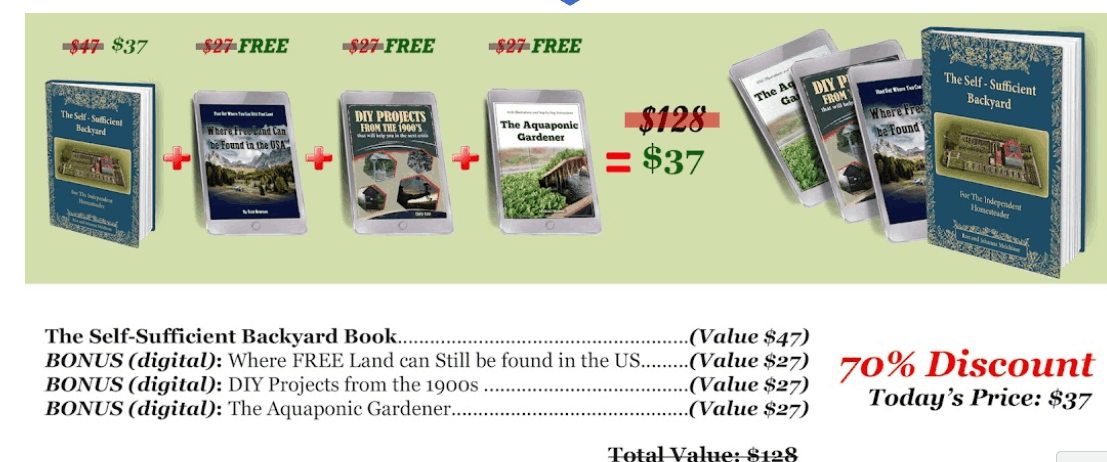
The Self-Sufficient Backyard program is available for just $37, making it an affordable way to start your journey toward a self-reliant lifestyle. For a small investment, you get access to a comprehensive guide that teaches you how to grow food, manage water, generate power, and build a productive backyard.

Along with the main program, you also receive 3 free bonuses, adding even more value. These extras provide additional DIY projects, traditional homesteading techniques, and guidance to help you maximize your space and resources efficiently.

This pricing ensures that self-sufficiency is accessible to anyone, regardless of budget. You don’t need to spend thousands on expensive courses or equipment to start building your self-sufficient backyard today.

Plus, the program comes with a 60-day money-back guarantee. If you’re not completely satisfied, you can request a full refund within 60 days—no questions asked. This risk-free offer gives you the confidence to explore the program and apply the strategies at your own pace.

With this combination of affordable pricing, valuable bonuses, and a secure money-back guarantee, The Self-Sufficient Backyard offers an excellent opportunity to create a more independent, sustainable lifestyle from the comfort of your own home.

Money Back Guarantee

100% Satisfaction – 60-Day Money-Back Guarantee

The Self-Sufficient Backyard program comes with a 60-day money-back guarantee, giving you complete peace of mind. If you’re not fully satisfied, simply request a refund within 60 days, and your purchase will be returned in full—no questions asked.

This risk-free guarantee allows you to explore all the strategies and resources at your own pace. You can implement the step-by-step guidance, try out the DIY projects, and experience the benefits of a self-sufficient lifestyle without any pressure.

We are confident in the value and effectiveness of this program. Our goal is to help you gain independence, grow your own food, manage water, and generate your own power—all from your backyard.

By offering this guarantee, we ensure there’s absolutely no risk in taking the first step toward a more sustainable and self-reliant life. You can start building your self-sufficient backyard today with complete confidence.

Self-Sufficient Backyard   Money Back Guarantee

Frequently Asked Questions

Yes. The system is designed to work even in limited spaces by showing you how to maximize every square foot efficiently.

Not at all. Everything is explained step by step, making it easy for complete beginners to follow along.

Many users begin growing food or saving money within weeks by applying the simplest strategies first.

The program is delivered digitally, so you get instant access to all guides, tutorials, and materials. You can start learning and putting the strategies into action right away—no waiting, no shipping delays.

Yes. You can contact the support team using the email provided inside the program. They’re available to help you with any questions about setup, implementation, or understanding the content.

That’s why it comes with a 60-day money-back guarantee, so you can try it risk-free and decide for yourself..

"What happens after I click the " Buy Now" Button?"

Once you have clicked the "Buy Now" button that is right below this text, you will be taken to the secure checkout page. Just enter your information, and you will then be given instant access to the entire Self-Sufficient Backyard.

Self-Sufficient Backyard

How Safe Is My Credit Card Information on Your Website?

Your online privacy is one thing you can be sure we so much prioritize here and thus do not worry about losing any sensitive credentials while making your purchase of Self-Sufficient Backyard from us. Besides, You can count on Clickbank's excellent reputation and vast experience in online transactions to help protect your purchases.

Remarks

According to the team behind Self-Sufficient Backyard, the manufacturers offer an outstanding refund policy to ensure your purchase is completely risk-free. When you buy  Self-Sufficient Backyard, you are automatically protected by a full 60-day, 100% money-back guarantee.

If, for any reason, Self-Sufficient Backyard doesn’t work for you—or if you’re not fully satisfied with the results—you can request a complete refund. No questions asked, no hassle, and no pressure. This generous guarantee shows the confidence the creators have in the formula and gives you total peace of mind while trying it.

Email : support@Self-Sufficient Backyard.com 

Start Your Self Sufficient Journey Today – Grab Your Program Now!

Pianoforall